
Preservation First
Durable archival methods, provenance, and continuity planning sit before convenience or short-term growth.
Preparing the archive interface
Mission
The mission is to protect humanity's knowledge inheritance and make it more discoverable, usable, and resilient for learners, institutions, and future generations.
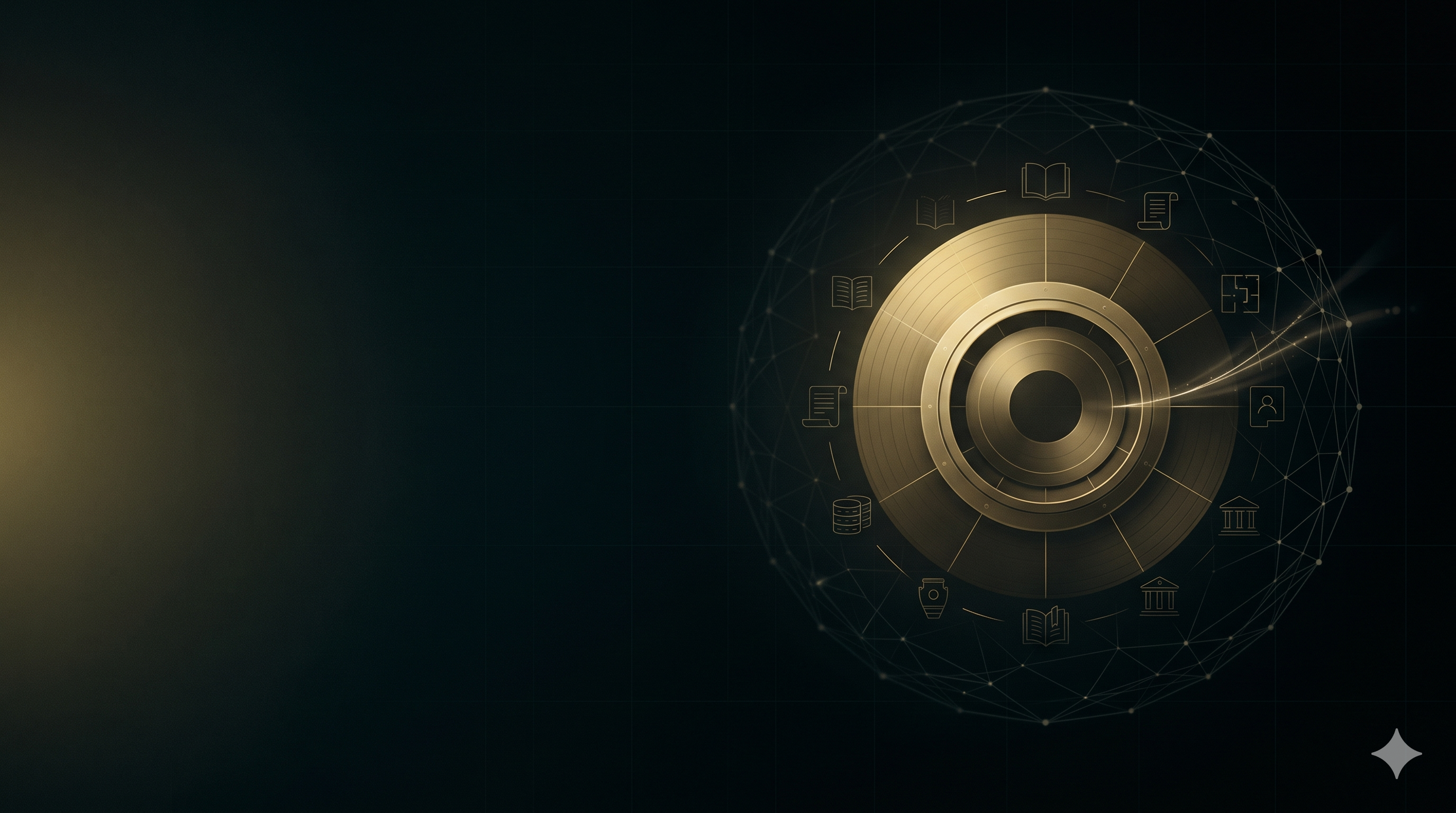
Mission architecture
The mission is visualized as a central preservation layer linking universities, libraries, museums, governments, publishers, research institutions, and education organizations.
Core pillars
Each pillar reflects a practical responsibility: preserve sources, widen access, organize knowledge responsibly, and protect cultural context.
Durable archival methods, provenance, and continuity planning sit before convenience or short-term growth.
Knowledge should be discoverable across borders, devices, languages, and learning contexts.
Responsible AI helps classify, translate, summarize, and connect knowledge while preserving source integrity.
The archive honors linguistic diversity instead of compressing knowledge into a single dominant language.
Preserved materials become practical learning infrastructure for schools, universities, and independent learners.
Heritage, stories, regional scholarship, and institutional collections deserve long-term digital protection.
Systems are designed for future stewards who must inherit usable, trusted knowledge rather than brittle files.